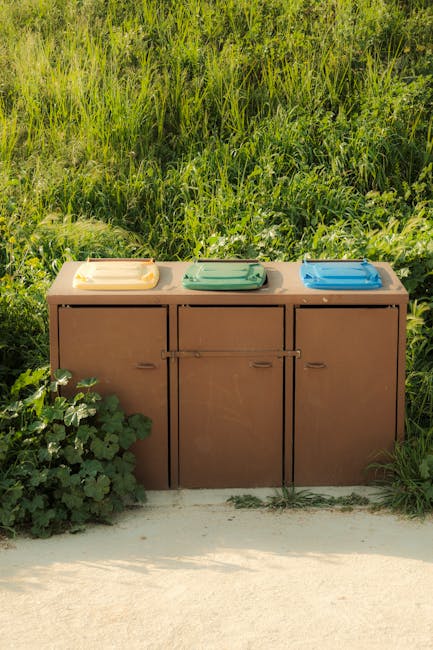
Storing and Disposing Bulky Waste in Woodside Park
Posted on 14/05/2026
Storing and Disposing Bulky Waste in Woodside Park: A Practical Local Guide
If you've ever stood in a hallway with an old sofa, a broken wardrobe, or a mattress that simply will not budge, you already know the problem: bulky waste is awkward long before it becomes a disposal issue. Storing and Disposing Bulky Waste in Woodside Park is about handling those large items safely, keeping your home usable while you decide what stays, what goes, and what needs professional help. It sounds straightforward. It rarely is.
In Woodside Park, many homes face the same familiar pinch points: narrow stairwells, limited driveway space, shared entrances, and not quite enough room to stash a large item "just for now." This guide walks through the practical side of storage, removal, and disposal so you can make a tidy decision without the usual stress. You'll find clear steps, common mistakes, local considerations, and a few sensible ways to keep the whole process from turning into a weekend you regret.
For people also planning a move or a declutter, it can help to read a few related guides too, especially decluttering with purpose before a move, packing tips for a smoother move, and how to leave a property properly cleaned. They fit neatly alongside the bulky-waste question.
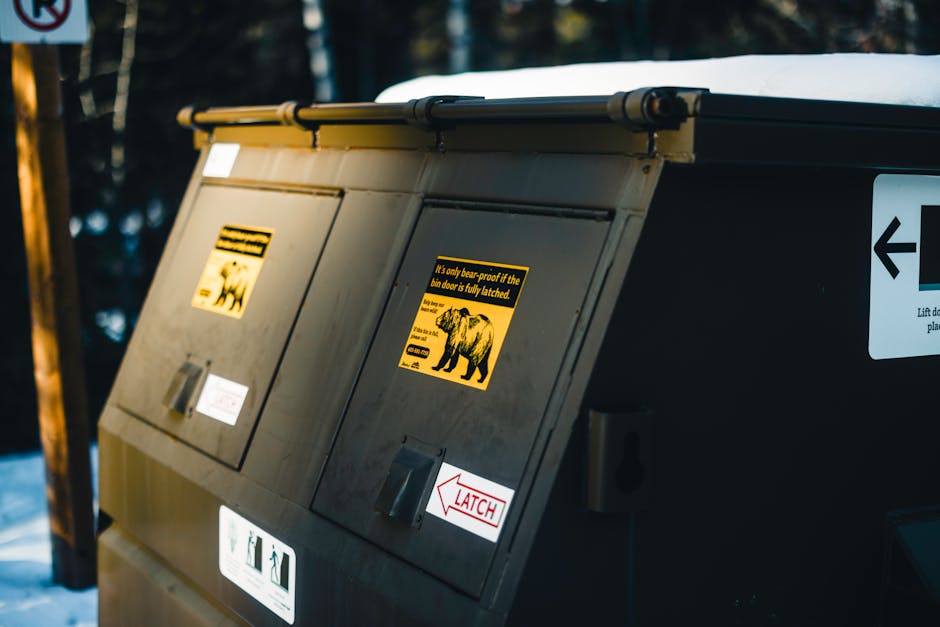
Why Storing and Disposing Bulky Waste in Woodside Park Matters
Bulky waste is not just "big rubbish". It is usually anything too large for everyday bins: sofas, armchairs, beds, wardrobes, desks, white goods, mattresses, exercise equipment, shelving, and the odd item that somehow lived in the garage for years and then became everyone's problem. Once these items start taking over a room, they affect safety, movement, cleaning, and even how calm the home feels.
In a neighbourhood like Woodside Park, the practical challenge is often space. A bulky item waiting in a flat corridor or by the front door can quickly become a nuisance. It can block access, look untidy, and make ordinary tasks feel harder. If you're moving home, downsizing, helping a relative, or emptying a rented property, the pressure goes up a bit more. Not dramatically, but enough. Suddenly the sofa isn't just a sofa. It's a logistics problem.
There's also a sustainability angle. Throwing a serviceable item away when it could be reused, donated, or taken for responsible recycling is wasteful, and often more expensive than it needs to be. A good plan helps you separate items that can be stored safely from items that should be removed promptly. That balance matters.
Expert summary: The best bulky-waste plan is usually the one that reduces handling, protects your space, and chooses the simplest responsible route for each item rather than treating everything the same.
How Storing and Disposing Bulky Waste in Woodside Park Works
The process is easier when you break it into stages. First, identify what the item is and whether it is actually waste yet. A wardrobe with a loose hinge may need repair. A sofa with damaged fabric may still be usable. A freezer that has failed completely is a different matter. This first decision often saves time and money.
Next, decide whether the item needs temporary storage or immediate removal. Temporary storage makes sense when:
- you are waiting for a move date
- you are clearing a room in stages
- you need time to compare disposal options
- you are preserving items that may be reused or sold
Disposal makes more sense when the item is broken, unhygienic, structurally unsafe, or no longer worth keeping. Some pieces are also too awkward to shift without the right equipment, which is where professional help can make a real difference. A large bed frame on a narrow staircase, for instance, is the sort of thing that looks manageable until it is halfway round a bend and suddenly, well, not.
For many households, the safest approach is to prepare the item properly, move it with the right lifting methods, and then arrange storage or collection. If the item is part of a broader move, services such as house removals in Woodside Park or furniture removals in Woodside Park may be useful because bulky waste rarely exists in isolation. It tends to appear alongside half-packed boxes and a lot of questions.
And yes, some items can be transported and stored rather than disposed of. If you're keeping furniture for later use, a proper storage plan matters. The same goes for awkward household items like appliances or sofas. A practical example is useful here: if you are replacing a sofa but not sure whether the old one will fit in a future home, storing it briefly may be more sensible than rushing to dispose of it. That said, storage only helps if the item is clean, dry, and protected from damage.
Key Benefits and Practical Advantages
Good bulky-waste handling is one of those unglamorous tasks that pays off in several directions at once. The benefits are not flashy, but they are real.
- Clearer living space: rooms feel bigger, safer, and easier to clean.
- Less stress during a move: fewer objects competing for attention on a busy day.
- Lower risk of damage: moving large items badly can scratch floors, dent walls, and break the item itself.
- Better decision-making: once an item is assessed properly, you can choose storage, donation, sale, recycling, or removal with more confidence.
- Improved safety: keeping walkways free reduces the chance of trips and strained backs.
- More responsible disposal: reusable items are more likely to be diverted from waste when the process is organised early.
There's also a psychological benefit, though people often underplay it. A room with an unused mattress leaning in the corner has a very different feel from a room with clear space. One feels like a job unfinished. The other feels like the next chapter has started.
If you are already arranging support through removal services in Woodside Park or comparing removal companies in Woodside Park, bulky waste handling can be folded into the same plan. That is often cleaner than trying to solve each problem separately.
Who This Is For and When It Makes Sense
This topic matters to a wider group than you might expect. It is not only for people with a house full of old furniture. In practice, bulky waste planning helps:
- homeowners preparing for a sale or renovation
- renters who need to clear a property quickly
- students leaving furnished accommodation
- families combining households
- older residents downsizing to a smaller property
- landlords or agents handling end-of-tenancy clearances
- office teams removing desks, chairs, and storage units
It also makes sense when the item is too valuable to throw away immediately. A chest of drawers might be worth storing for a few months. A sofa may be worth keeping if it can bridge the gap to a new home. On the other hand, a water-damaged mattress has a very short decision tree. You already know the answer.
If the bulky item is especially heavy or awkward, it can be worth revisiting moving technique before attempting anything yourself. Articles like the solo lifter's guide to heavy objects and safe lifting techniques are useful because the real issue is often not the object itself but how it is handled.
Truth be told, some jobs are simple only after they're finished.
Step-by-Step Guidance
Here is a practical way to approach bulky waste without letting it become a messy all-day improvisation.
- Identify the item and its condition. Ask whether it is reusable, repairable, recyclable, or clearly waste. If you are unsure, assume it needs a more careful review.
- Measure access routes. Check doorways, staircases, lifts, tight corners, and outside space. A sofa that fits the room may still be a nightmare to move out.
- Decide whether to store or dispose. If you need time, choose storage only if the item is dry, clean, and not likely to become damaged.
- Prepare the item. Remove loose parts, tape doors shut, empty drawers, and bundle cables or accessories. For appliances, make sure they are safe and dry before moving or storing.
- Protect the route. Use covers, blankets, or floor protection if the item is being moved through shared areas or narrow hallways.
- Choose the right method. Small awkward items may be manageable with a helper. Very heavy or fragile items usually need proper removal support.
- Arrange transport or collection. Decide whether you need a van, a man and van service, same-day help, or a scheduled collection. For a quick turnaround, same-day removals in Woodside Park can be especially useful.
- Separate recycling from disposal. If parts can be recycled, strip them out before collection where practical and safe.
- Leave the area clean. A final sweep helps prevent dust, nails, splinters, and those tiny little surprises that tend to appear under old furniture.
For move-related clearances, the process becomes easier if you also read how to keep house moving less stressful and the bed and mattress moving checklist. Beds and mattresses are common bulky items, and they deserve their own plan.
Expert Tips for Better Results
A few small habits make a large difference. They're not dramatic, but they save a lot of frustration.
- Don't store damp items. Moisture leads to smell, mould, and damage. If something smells musty already, fix that before storage, not after.
- Break down what you can. Remove legs, shelves, cushions, and detachable parts. Smaller pieces are easier to move and stack.
- Use soft protection for finishes. Fabric, wood, and varnished surfaces all scratch more easily than people expect.
- Keep fasteners together. Put screws, bolts, and brackets in a labelled bag taped securely to the item.
- Lift with planning, not hope. If a piece feels too heavy before you move it, it probably is. That feeling counts.
- Choose a realistic disposal timeline. The longer bulky waste sits in a hallway or garden, the more likely it is to become a nuisance.
One practical local observation: in a busy street or a flat with shared access, timing matters almost as much as method. If the item has to pass through a communal area, you want the move to be quick, tidy, and well-coordinated. A van waiting outside while people try to hold a door open and reposition a wardrobe is nobody's idea of fun. Not even close.
If the job involves especially awkward pieces, a wider service package such as man with a van in Woodside Park or man and van in Woodside Park may be more practical than trying to patch together a plan yourself.
Common Mistakes to Avoid
Most bulky-waste problems are not caused by the item itself. They come from rushed decisions and poor timing.
- Leaving items in hallways for too long. It creates trip hazards and makes cleaning harder.
- Assuming storage is always cheaper than disposal. Sometimes storage costs, access costs, and time costs add up quickly.
- Forcing a large item through a tight route. This is how walls get marked and backs get strained.
- Storing an item that should have been disposed of. Damaged, infested, or unstable items usually should not be kept "just in case".
- Ignoring cleaning before storage. Dust, crumbs, and food residue attract pests and create odours.
- Mixing recyclables and general waste without checking. It makes sorting harder later.
- Leaving the decision until moving day. That is the classic headache. The item is still there, and now time is not on your side.
A small aside, because it happens a lot: people often think the biggest mistake is choosing the wrong removal method. In reality, the bigger mistake is not choosing at all. Indecision fills rooms fast.
Tools, Resources and Recommendations
You do not need specialist gear for every job, but a few simple tools make bulky-waste handling much safer and tidier.
| Tool or Resource | Best Use | Practical Note |
|---|---|---|
| Furniture sliders | Moving heavy items across smooth floors | Useful for short distances, but not a cure-all on stairs or rough surfaces |
| Removal blankets | Protecting wood, paintwork, and fabric | Very helpful for sofas, tables, and wardrobes |
| Strong tape and labelled bags | Keeping fixings, cables, and loose parts together | Stops the classic "where did the bolts go?" moment |
| Dolly or sack truck | Wheeled movement for heavy boxes or smaller bulky items | Choose one rated for the load and the route |
| Storage space | Short-term holding for reusable items | Best for clean, dry, stable furniture and appliances |
| Professional removal support | Large, heavy, or awkward items | Often the safest choice for beds, sofas, freezers, and pianos |
For storage planning, a dedicated facility such as storage in Woodside Park can be useful if the item is worth keeping but not worth crowding your home with. For packaging and protection, packing and boxes in Woodside Park may also help, especially if you're bundling smaller components together.
If a bulky item is part of a larger clear-out, a bit of advance planning goes a long way. The guide on storing a sofa properly is worth a look if you need to keep upholstered furniture in good shape between homes.
Law, Compliance, Standards, or Best Practice
Bulky waste handling should always be approached responsibly. The exact rules can vary depending on the item, where it is collected from, and who is carrying it away, so it is sensible to avoid assumptions. In general, the safest practice is to make sure waste goes to an appropriate route, furniture is not dumped informally, and anything stored does not create a hazard.
A few simple principles are worth following:
- Do not leave waste obstructing shared access. Corridors, fire exits, and communal pathways should stay clear.
- Use reputable removal help. If someone is moving items for you, make sure the service is clear about handling, insurance, and what happens to the waste.
- Keep items secure during storage. They should not topple, leak, or create a risk to people nearby.
- Separate special items carefully. Fridges, freezers, mattresses, and upholstered furniture can need more thought than a plain wooden shelf.
- Follow sensible hygiene and safety practice. Clean items before storing them and keep the area dry and ventilated.
If you want reassurance on the handling side, it can help to review a provider's health and safety policy and insurance and safety information. Those pages are not there for decoration; they show how seriously a company treats risk and proper process.
For households with a sustainability focus, recycling and sustainability guidance can also shape how you decide between storage, reuse, donation, and disposal.
Options, Methods, or Comparison Table
The right method depends on the item's condition, your timeline, and how much lifting you want to do yourself. Here's a simple comparison.
| Option | Best For | Pros | Watch Outs |
|---|---|---|---|
| Temporary home storage | Reusable items, short delays, staging a move | Convenient and immediate | Can clutter the home and damage the item if conditions are poor |
| Dedicated storage unit | Furniture worth keeping but not currently needed | Cleaner, safer, and more organised than keeping items in living space | Costs money and needs transport |
| Reuse or donation | Usable, clean, presentable items | Often the most responsible outcome | Not suitable for damaged or unsafe items |
| Responsible disposal | Broken, worn-out, or unsafe bulky waste | Fast and final | Needs proper handling and the right collection route |
| Professional removal service | Heavy, awkward, or time-sensitive items | Reduces risk and saves time | Needs scheduling and a clear scope of work |
In practice, many people use a mix of methods. A sofa might go into storage, a broken mattress may be removed, and a desk may be donated. That sort of hybrid plan is often the smartest one.
Case Study or Real-World Example
Imagine a small family in Woodside Park getting ready to move from a two-bedroom flat. They have a bed base, a mattress, an old sofa, and a tall cabinet that no longer fits the new layout. At first glance, it all seems manageable. Then the practical details arrive. The hallway is narrow. The lift is small. The moving date has shifted by a few days. Suddenly the cabinet is not just furniture; it is a timing problem.
They start by separating items into three groups. The bed and mattress are still usable, so they are kept temporarily and wrapped properly. The sofa is worn but stable, so it is assessed for storage or removal. The cabinet is damaged at the back, which makes disposal the more sensible option. Instead of trying to solve everything on moving day, they arrange a plan a week earlier, and that alone changes the tone of the whole move.
The sofa is stored short term through storage in Woodside Park, while the damaged cabinet is taken away with a removal team. The mattress is prepared using the same practical thinking you would find in the bed and mattress checklist. A few labels, some careful wrapping, and one calm morning later, the space feels transformed. Not perfect. Just calmer. And that matters.
It's a simple example, but a real one in spirit. The biggest win is not the removal itself. It's the decision to handle bulky waste before it starts controlling the room.
Practical Checklist
Use this checklist before you store, move, or dispose of any bulky item:
- Check whether the item is reusable, repairable, recyclable, or waste.
- Measure doorways, stairs, lifts, and any tight corners.
- Decide if you need storage, removal, or both.
- Remove loose parts, cushions, shelves, or legs where possible.
- Bag and label screws, bolts, remote controls, and cables.
- Clean the item before storing it.
- Keep access routes clear.
- Protect walls, flooring, and doorframes during movement.
- Arrange suitable transport or collection.
- Confirm where the item is going and whether it needs special handling.
- Do a final sweep for dust, debris, or stray fixings.
If your bulky waste is tied to a bigger moving job, it can help to revisit stress-free house moving advice and packing guidance. The same calm structure applies.
Conclusion
Storing and disposing bulky waste in Woodside Park is really about making sensible choices before the item becomes a nuisance. A little planning gives you more room, fewer risks, and a clearer path to either reuse, storage, or responsible disposal. It also keeps the process from turning into that classic last-minute scramble that everybody swears they'll never repeat.
Whether you are clearing a flat, preparing for a house move, or simply trying to regain control of a crowded room, the rule is the same: assess the item properly, move it safely, and choose the most practical route for the circumstances. Some items deserve storage. Some deserve recycling. Some just need to go. Once you can see the difference, the whole job gets easier.
Get a free quote today and see how much you can save.
And if you're standing in a room full of bulky things right now, take a breath. Start with one item. That's usually enough to get the whole thing moving in the right direction.