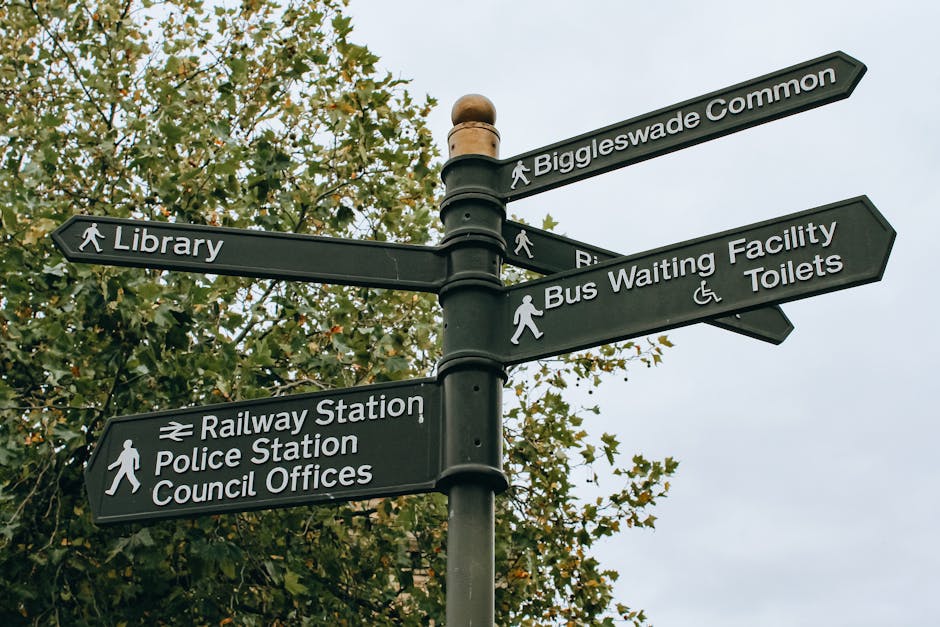
Woodside Park Tube Moves: Navigating Station Road Access
Posted on 06/05/2026
Moving near a Tube station can feel straightforward on paper, then suddenly a van is idling, a neighbour wants past, and Station Road is tighter than you remembered. That is exactly why Woodside Park Tube Moves: Navigating Station Road Access deserves a proper plan. If you are relocating a flat, handling a student move, or shifting bulky furniture in and out of the area, the route to the property matters almost as much as the loading itself. A good move here is not just about strength; it is about timing, access, parking, and a calm bit of local know-how.
In this guide, we will break down what Station Road access means in practical terms, how to organise the move around Woodside Park Tube, and what to do when the usual "just park outside" idea does not really work. You will also find a checklist, comparison table, real-world examples, and the kinds of small details that save a move from becoming a long, sweaty afternoon. To be fair, that is usually where the trouble starts: not with the boxes, but with the doorway, the bay, or the last twenty metres.
Why Woodside Park Tube Moves: Navigating Station Road Access Matters
Station Road access is not a niche concern. It shapes the entire moving day.
In the Woodside Park area, access challenges often show up in small but annoying ways: limited waiting space, passing traffic, pedestrians coming and going from the station, awkward kerb height, and the simple reality that many homes and flats are not designed for removal vans to sit outside for long. If you ignore those details, even a well-packed move can get messy very quickly.
This matters for several reasons:
- Time: less time spent circling for parking means more time getting items safely inside.
- Safety: fewer long carries reduce the chance of trips, strain, or damaged furniture.
- Neighbour relations: a tidy, efficient move is far less disruptive.
- Cost control: delays can increase labour time, and nobody enjoys paying for avoidable waiting.
- Stress: a clear access plan gives you one less thing to worry about on a day already full of little surprises.
That last point is not small. Moves near transport hubs often feel busier because everything around them is busy too. Commuters, school runs, deliveries, and everyday foot traffic all add a bit of pressure. A structured access plan turns that noise into something manageable.
If you are still in the early packing phase, it helps to read these essential packing tips for a successful house move alongside your access planning. The better your boxes are prepared, the less time you spend faffing at the door.
How Woodside Park Tube Moves: Navigating Station Road Access Works
At its simplest, this kind of move is about matching the property's access reality to the vehicle and crew you are using. That sounds obvious. Yet in practice, people often judge access from memory rather than from a fresh, honest look on the day.
The process usually involves five moving parts:
- Assess the route from van to property. Check how far the team will need to carry items, whether there are steps, narrow gates, or awkward corners, and whether the pavement allows easy trolley movement.
- Identify the best stopping point. A spot a little further away can sometimes be better than trying to squeeze into the nearest position and blocking the route.
- Check time restrictions. Around busy station areas, timing matters. Off-peak arrival often makes a noticeable difference, especially if you want to avoid commuter build-up.
- Match item size to access constraints. Large sofas, mattresses, wardrobes, or pianos need more than good lifting. They need a workable route.
- Plan the unload sequence. Bring the most awkward items off first if they will be blocked by stacked boxes later. That is the sort of detail that saves the afternoon.
For many Woodside Park moves, the smart approach is a hybrid one: careful pre-planning plus a flexible moving team that can adapt if the exact parking spot is taken. That is where local experience really counts. A crew that understands the area will often know when to hold back for ten minutes, when to use a smaller vehicle, or when to split the load between runs.
If your move is heavier than expected, it can help to read the solo lifter's guide to mastering heavy objects. Even if you are not moving alone, it gives useful perspective on balance, grip, and the risk of rushing.
Key Benefits and Practical Advantages
When Station Road access is handled properly, the benefits are immediate and fairly obvious. Less chaos, for one. But there are a few deeper advantages people sometimes miss.
1. Better item protection
Shorter carrying distances mean lower risk of scraping a table edge on a wall, knocking a mirror against a frame, or dropping something because the route is more awkward than expected.
2. Faster turnaround
A clean access route can shave a surprising amount of time off the day. Not dramatic movie-style savings, just the kind that makes the move feel organised rather than endless.
3. More predictable quotes
When a removal team can plan access accurately, it is easier to estimate labour and vehicle needs. That can be useful if you are comparing pricing and quotes from different providers.
4. Easier coordination with buildings
If you live in a flat or managed property, access may need to be coordinated with neighbours, building managers, or concierge arrangements. Planning in advance avoids awkward "we need the lift now" moments.
5. Reduced physical strain
It sounds basic, but a sensible route matters to backs, shoulders, and knees. A flatter, shorter path is just kinder on everybody involved.
Practical takeaway: good access planning is not a luxury detail. It is one of the main reasons a move feels smooth instead of stressful.
And if you are dealing with bulky pieces, it may also be worth looking at furniture removals in Woodside Park, especially where awkward hallways or tight entry points make careful handling more important than speed.
Who This Is For and When It Makes Sense
This topic is most relevant if your move involves any of the following:
- flats or upper-floor apartments near Woodside Park Tube
- homes with narrow front access or small frontages
- parking-sensitive streets close to Station Road
- heavy, fragile, or oversized items
- students moving in or out around term change dates
- businesses or home offices needing a tidy, time-bound relocation
It also makes sense if you are doing a same-day move and need the day to run on rails rather than improvisation. In that situation, access planning is often the difference between a decent schedule and a long wait by the kerb, staring at the van door as if it might sort itself out.
Students often underestimate this. A few suitcases are fine. Then there is a desk, a printer, a chair that does not fit through the stairs, and suddenly you want a plan. If that sounds familiar, student removals in Woodside Park can be a good fit for smaller loads that still need proper coordination.
It is also sensible for anyone moving between a house and a flat, or between two flats, where access changes from one property to the next. That transition can be awkward if only one end of the move has easy parking.
Step-by-Step Guidance
Here is a practical way to handle Woodside Park Tube access without turning the day into a guessing game.
1. Walk the route before moving day
Stand at the nearest realistic stopping point and walk to the entrance with a clear eye. Count steps, notice slopes, check gate widths, and look for places where a trolley might snag. If possible, do it with the largest item in mind, not the smallest box.
2. Decide where the van can safely pause
You may not need the closest possible spot. Sometimes the best position is the one that keeps traffic flowing and avoids awkward reversing or blocking. Around Tube stations, that judgment call really matters.
3. Separate the load by priority
Keep the first-hand-off items near the door: keys, documents, tools, bedding, essentials, and the largest fragile items. This avoids unnecessary shuffling later.
4. Protect doorways, corners, and shared spaces
Use blankets, corner protectors, and floor coverings where appropriate. A scratch on a hallway wall can feel like a tiny disaster on a long day.
5. Brief everyone involved
Even a short conversation helps. Who is opening doors? Who is handling lifts? Which room does the sofa go to? The fewer assumptions, the better.
6. Keep a backup plan
What if the first stopping point is occupied? What if the lift is out of use? What if the road is busier than expected? A decent team always has a Plan B, and sometimes a Plan C. Not glamorous, but very useful.
If you are moving a bed or mattress through a tight access route, it is worth reading the ultimate checklist for moving your bed and mattress. That one item causes a disproportionate amount of drama, truth be told.
And if your move includes fragile large items, such as a piano or upright instrument, do not wing it. A specialist approach is much safer. See piano removals in Woodside Park and the related guidance on why pianos and professionals are a safer match.
Expert Tips for Better Results
A few small choices can make a surprisingly big difference.
- Move early or later, not in the middle of peak friction. Around station-adjacent roads, the middle of the day can bring the most activity. A quieter window may make loading simpler.
- Use a smaller van if the road is tight. Bigger is not always better. A vehicle that can reach a workable stopping point beats a larger one that causes delay.
- Label boxes by room and fragility. If the crew can see priorities at a glance, they can load more intelligently.
- Declutter before you move. Every unused lamp, broken chair, or mystery cable you remove now is one less thing to carry. Decluttering with purpose for a stress-free move is worth doing before anything else.
- Protect the path as well as the item. People focus on wrapping the object and forget the hallway, stair edges, or lift walls.
- Keep essentials separate. A kettle, charger, toilet roll, medication, and a change of clothes should not be buried in the last box on the van.
One practical habit we always recommend is to keep a simple "first hour" box. It makes arrival feel less like unpacking chaos and more like settling in. You know the feeling: one mug, one phone charger, no drama.
If you want a broader moving-day framework, this guide to stress-free house moving pairs nicely with access planning, because good logistics and calm habits tend to reinforce each other.
Common Mistakes to Avoid
Most access problems are preventable. The trouble is that they are easy to underestimate.
- Assuming the van can stop right outside. This is the classic mistake. It might work once, then fail the next time because of parked cars, traffic, or local activity.
- Ignoring the last 20 metres. The lift, the path, the front steps, the pavement width - that final stretch often dictates the real difficulty.
- Not checking for height or width restrictions. A van that fits on the road may still be awkward for turn-in or unloading.
- Failing to tell the removal team about awkward items. If there is a fridge, piano, sleeper sofa, or unusually large wardrobe, say so early. No one likes a surprise staircase.
- Leaving packing until the last minute. It creates clutter, blocks access, and increases the chance of damage.
- Forgetting building rules or neighbour impact. Some properties need notice for lifts, loading windows, or shared areas.
There is also a slightly sneaky mistake people make: they plan the move in pieces instead of as one chain. The route, the van, the item size, and the packing method all affect each other. If one part is weak, the whole day feels it.
If storage becomes part of the solution, for example because access is better in a second trip, consider storage in Woodside Park as a practical buffer rather than a last-minute panic fix.
Tools, Resources and Recommendations
You do not need a van full of specialist gear, but a few practical items help enormously.
- Furniture blankets and straps for protecting and stabilising loads
- Trolley or sack truck for heavier boxes and appliances
- Corner guards and floor covers for shared corridors or tight entrances
- Labels and marker pens for quick room-by-room sorting
- Measuring tape for checking awkward items against doorways and stair turns
- Strong packing materials from a trusted supplier such as packing and boxes in Woodside Park
For items that need special attention, the right removal service matters too. A general van hire arrangement can be fine for some jobs, but for multi-item household moves or tricky access, it is often easier to use a more structured service. Have a look at removal services in Woodside Park or the broader services overview to see what level of support fits your move.
If your move is time-sensitive, same-day removals in Woodside Park can be useful, but only if the access picture is understood clearly. Speed without access planning is a bit like trying to carry soup uphill.
Law, Compliance, Standards, or Best Practice
While this kind of move is mostly a practical issue, there are still a few compliance and best-practice points worth respecting.
Parking and loading: Always follow local parking rules and loading restrictions. If a road near the station is busy or limited, the safest approach is to work within the allowed conditions rather than hoping for leniency. Avoid blocking dropped kerbs, driveways, or pedestrian routes.
Manual handling: In the UK, moving heavy objects should be approached with proper care and reasonable risk reduction. That means using correct lifting technique, asking for help with awkward items, and not trying to be heroic about a fridge on your own. A look at lifting technique and kinetic handling can be a helpful reminder here.
Building access: If you are moving in or out of a managed property, check whether you need permission to use loading bays, lifts, or service entrances. Some buildings also prefer notice for moving days, which is fair enough.
Insurance and care: Any reputable removal arrangement should have clear expectations about handling and cover. If you want to understand the basics better, insurance and safety is a sensible place to start.
Accessibility and neighbours: Keep shared routes usable wherever possible. It is not only courteous; it reduces the chance of complaints and accidental damage. If in doubt, choose the gentler option. That usually wins.
For businesses or home workers moving equipment, office removals in Woodside Park can offer a more organised way to manage desks, tech, and access timing without disrupting the whole day.
Options, Methods, or Comparison Table
Different access strategies suit different kinds of move. The right one depends on the road, the building, and how much you are carrying.
| Method | Best for | Pros | Potential downside |
|---|---|---|---|
| Van parked as close as possible | Small flat moves with easy roadside space | Shortest carry, quicker loading | Can fail if traffic, parking, or restrictions intervene |
| Van parked slightly further away | Busy station roads or restricted bays | More predictable, often safer for traffic flow | Longer carry, may need more labour time |
| Smaller vehicle with multiple runs | Tight streets or awkward turning space | Better manoeuvrability | More trips, more time |
| Staggered loading with staging inside the property | Homes with limited frontage | Organised flow, less doorstep congestion | Needs careful coordination |
| Partial storage before final delivery | Complex or delayed access | Reduces pressure on the day | Requires extra planning and handling |
For most Woodside Park Tube access jobs, the best method is the one that reduces friction rather than trying to impress anyone. A smaller van, a sensible stopping point, and a good loading sequence often beat a grand "we'll make it work" plan.
If you need a lighter transport option, man with a van in Woodside Park or man and van services may suit smaller moves where flexibility matters more than a full removal setup. For larger relocations, house removals in Woodside Park is usually the better fit.
Case Study or Real-World Example
Picture a move from a third-floor flat not far from Woodside Park Tube. The property has a narrow hallway, a turn on the stairs that makes a sofa complain just by looking at it, and a road that fills up quickly near commuter hours. Nothing dramatic. Just enough to become annoying if left to chance.
The moving plan worked because it was simple:
- the load list was sorted into "first out" and "last out" items
- the largest items were measured against door widths before the day
- the van arrived in a quieter window
- the crew used blankets and a trolley for the heaviest boxes
- one person stayed in the flat to guide furniture through corners
The result was not magic. It was just preparation. The load went out with far less stress, the stairwell stayed intact, and no one had to do the awkward dance of moving a wardrobe three inches one way, then two inches back, then muttering at the angle. We have all seen that dance.
For one particularly large sofa, the team had already checked storage options in case it needed a temporary stop. That backup thinking is why smart sofa storage tips and freezer storage advice can be useful beyond their specific items. Once you understand how to handle awkward pieces, the whole move becomes easier to manage.
Practical Checklist
Use this checklist a few days before the move, then again on the morning itself.
- Confirm the moving date, arrival window, and access plan.
- Walk the Station Road approach and note the best stopping point.
- Measure any bulky items against doors, lifts, and stair turns.
- Check if you need building permission or a time slot for access.
- Set aside fragile or high-priority items for first loading.
- Label boxes clearly by room and contents.
- Keep essential documents, keys, chargers, and medicine separate.
- Protect hallways, corners, and floors where needed.
- Have a backup parking or unloading option ready.
- Confirm insurance and handling expectations with your mover.
- Dispose of or recycle items you do not want to take.
- Leave enough time for a final clean and property handover.
If the clean-down is part of your move-out plan, these departure cleaning strategies are worth a look. A tidy exit always feels better, and sometimes it is required. Annoying, yes, but useful.
For a smoother day overall, a little advance planning around boxes, tape, wrap, and room labelling goes a long way. It sounds tiny, but tiny things save time. Always.
Conclusion
Woodside Park Tube Moves: Navigating Station Road Access is really about turning a potentially awkward local move into a controlled one. Once you understand the road, the parking reality, the building layout, and the size of the items you are moving, the day stops feeling like a gamble. That is the big win.
The key is not to overcomplicate it. Measure what matters, plan for the route, pack properly, and choose the right level of moving support for the job. Whether you are relocating a flat, handling a student move, or transporting furniture that looks harmless until you reach the stairs, access planning gives you the best chance of a calm result.
Get a free quote today and see how much you can save.
If you want a move that feels organised rather than rushed, start with access, then build everything else around it. That simple order makes a very real difference, and honestly, it saves a lot of sighing on the day.