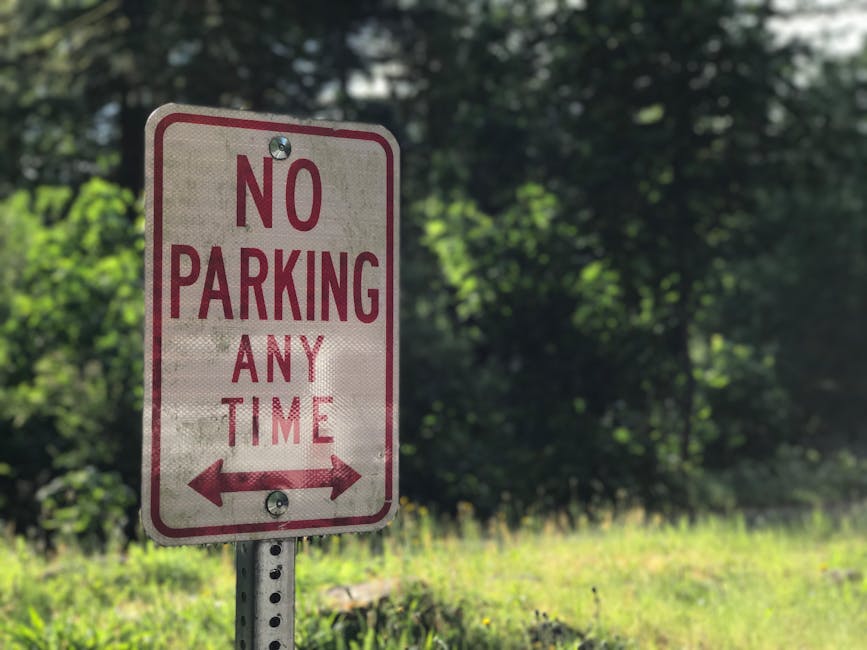
Navigating Parking Restrictions During Woodside Park Moves
Posted on 18/06/2026
Moving house is stressful enough before you even think about where the van can stop. In Woodside Park, that one detail can make the whole day feel easy or chaotic. Navigating parking restrictions during Woodside Park moves is really about planning the arrival, protecting your loading time, and making sure nobody ends up circling the street while your sofa sits in the hallway. It sounds small. It isn't.
Whether you are moving from a flat near Station Road, handling a family home on a narrower residential street, or coordinating a same-day move with very little wiggle room, parking can decide how smoothly the day runs. This guide breaks down what to expect, how to plan, where people usually go wrong, and how to keep the move moving without the usual last-minute panic. A little preparation goes a long way here, honestly.
Why Navigating Parking Restrictions During Woodside Park Moves Matters
Parking is not just a convenience issue on moving day. It affects speed, safety, neighbour relations, and cost. If the removal van cannot park close enough to the property, every box has to travel further. That means more lifting, more time, and more chance of damage. It can also turn a tidy move into a stop-start shuffle, which nobody wants, especially if you have a tight deadline like a lease handover or school run to work around.
In parts of Woodside Park, residential streets can be narrow, parking bays may be limited, and restrictions can change from one side of the road to the other. Add in school times, local traffic, and people already parked outside their own homes, and the practical challenge becomes obvious. It is not dramatic. It is just real life in London.
From an operational point of view, parking access shapes everything that follows. If the team can load and unload close to the entrance, fragile items spend less time in transit. Large furniture is easier to manage. The whole day feels calmer. If you want a broader look at how moving-day planning fits together, the stress-free house moving guide is a useful companion piece.
Key point: parking restrictions are not an optional detail. They are part of the move plan, just like packing, lifting, and route planning.
How Navigating Parking Restrictions During Woodside Park Moves Works
There is no single universal rule for parking on every Woodside Park street, because restrictions depend on the exact location, road markings, time of day, and local rules in force at that address. So the practical approach is simple: identify the curb space you need, check what is allowed there, and build the moving plan around it.
In plain English, the process usually works like this. First, you check whether the vehicle can stop legally close to the property. Then you assess whether the vehicle needs to remain there for loading or unloading, or if it can use a quick drop-off space. Then you decide whether you need extra help, such as split loading, a second helper, or temporary storage. The better the parking plan, the less you have to improvise on the day.
For moves around flats, parking becomes even more sensitive. A van might need to wait while lifts are booked, access codes are obtained, or stairwells are kept clear. If you are in a tighter building, it is worth reading about tight staircase solutions on Station Road because parking and interior access often affect each other.
There is also a practical rhythm to move-day parking. Early morning can be quieter. Mid-morning may be busier. Evening loading might be easier in some streets, but not always if restrictions or resident bays apply. That is why timing matters as much as the bay itself. A van parked perfectly but at the wrong time can still become a problem. Strange, but true.
Key Benefits and Practical Advantages
Sorting parking properly gives you more than a legal place to stop. It improves the whole move.
- Less physical strain: fewer long carries mean less fatigue and a lower risk of dropping items.
- Faster loading: when the van is close to the entrance, the team can work in a smoother rhythm.
- Better protection for furniture: items spend less time outdoors and are handled fewer times.
- Lower stress: nobody enjoys watching a van driver hunt for a legal space while the clock keeps ticking.
- More predictable timing: especially useful for lease-end moves, office handovers, or when a lift booking is already tight.
There is a hidden benefit too: good parking planning helps everyone behave more calmly. Neighbours are less likely to be annoyed if the van is positioned neatly and the loading is controlled. That can matter more than people expect. Let's face it, a good move is often the one nobody else notices.
It can also support other move tasks. If you are decluttering before the move, for example, it is easier to set aside items for disposal or donation when the collection point is nearby. If that is part of your plan, the article on decluttering with purpose fits neatly alongside this one.
Who This Is For and When It Makes Sense
This topic matters to almost anyone moving in Woodside Park, but a few groups feel it most sharply.
- Flat movers: if you live in an apartment or maisonette, parking and access are often tightly linked.
- Families with larger loads: more boxes, more furniture, more time at the kerb.
- Students and sharers: quick turnarounds and small budgets leave little room for parking mistakes. The page on student removals in Woodside Park is relevant here.
- Office movers: you may have equipment, desks, and multiple people trying to work around one loading window.
- Urgent or same-day movers: less notice means less time to sort parking properly, so the margin for error shrinks.
It also makes sense if your street has limited curb space, if a larger removal van will be used, or if the property has awkward access. That could be a corner plot, a mews-style layout, or a road where cars are commonly parked bumper to bumper. In those situations, parking becomes something you plan first, not last.
If you are comparing moving support options, you may find the broader services overview helpful, especially when deciding what kind of help fits your timetable and property layout.
Step-by-Step Guidance
Here is the practical version. Not the glossy version. The actual version that saves time.
- Check the address carefully. Look at the exact street, side of the road, nearby junctions, and whether the property sits in a bay-restricted section.
- Measure the likely loading distance. If the van cannot stop right outside, estimate how far items must be carried. Even 20 extra metres can feel longer on moving day.
- Decide the vehicle size early. A bigger van may reduce trips, but it can be harder to position in a tight spot. A smaller van may fit better, but may need more journeys. There is no magic answer.
- Plan the arrival window. Consider traffic, school runs, and peak parking pressure. Woodside Park can be deceptively busy at the wrong time of day.
- Prepare the property for quicker loading. Keep hallways clear, stack boxes near the exit, and label fragile items clearly. Good packing work makes parking pressure less painful. If you want a refresher, see the guide on essential packing tips for a successful house move.
- Decide who will manage the curbside moment. One person should direct the van, confirm the space, and keep an eye on doors, neighbours, and traffic.
- Have a fallback plan. If the preferred spot is taken, know the nearest legal alternative before the vehicle arrives.
A small but useful detail: keep the first load as the easiest one to move. A box of books, a row of smaller bags, or dismantled shelving is ideal. That helps the rhythm of the day settle in. Once the van is positioned, the rest tends to move more smoothly.
Expert Tips for Better Results
The simplest expert advice is this: do not treat parking as a last-minute driver problem. It is a shared responsibility. The customer knows the property. The mover knows the vehicle and loading process. Together, that usually gets the best result.
Here are a few points that make a real difference in practice:
- Keep the access route short and tidy. Remove door mats, loosen stuck gates, and clear bikes or bins that may block a quick handover.
- Protect your loading rhythm. A van parked in the right spot but blocked by a narrow gate or overgrown hedge still slows everything down.
- Use the smallest sensible vehicle for the street. Bigger is not always better in a parking-sensitive area.
- Bring moving essentials to the front first. That includes keys, documents, kettle, chargers, and cleaning supplies. You will thank yourself later.
- Coordinate with heavy-item handling. Parking restrictions become more serious when you are moving sofas, wardrobes, pianos, or fridges. If you have especially heavy or awkward items, the heavy object lifting guide is worth a look, and the page on piano removals in Woodside Park is relevant for specialist moves.
One practical observation from real moving days: the best streets are not always the widest ones. Sometimes a short pause at the right kerb beats a long hunt for a bigger space. Simple, but easy to miss in the moment. And moving day does have a habit of making people forget simple things.
If your furniture is bulky and hard to manoeuvre, planning the parking and carrying route together is especially useful. That is where a service like furniture removals in Woodside Park can make a big practical difference, because the team is working with the access problem rather than reacting to it.
Common Mistakes to Avoid
Most parking problems on moving day are not dramatic. They are just avoidable. And that is what makes them annoying.
- Assuming the van will "just fit". Streets can look wider on a quiet evening than they do with parked cars, bins, and a driver trying to open both doors.
- Leaving parking decisions until the morning of the move. By then, options are usually fewer and stress is higher.
- Forgetting loading time. A quick stop is one thing. An actual move is another. If the vehicle needs to stay put, that changes everything.
- Ignoring the return journey. People sometimes only plan the outbound stop. Then they realise the second trip has different traffic or parking pressure.
- Not checking building rules for flats. Some blocks have specific access instructions, timed loading windows, or management expectations.
- Using too many small trips. This can happen when parking is awkward, but it often creates more delay than one well-planned move would.
One more common slip: people overfocus on the street outside the old property and forget the new one. That second curb can be just as awkward, especially if it sits near a junction or already has residents' cars parked in place. It is a bit of a two-sided puzzle, really.
Tools, Resources and Recommendations
You do not need a pile of specialist equipment to handle parking restrictions well, but a few simple tools and habits make the job much easier.
- Street-level observation: sometimes the most useful "tool" is a calm walk around the road the day before.
- Notepad or phone notes: jot down safe parking options, arrival points, and any awkward corners.
- Floor plan or room list: knowing which rooms empty first helps the van loading order.
- Labels and colour coding: these speed up unloading so the vehicle can move on sooner.
- Basic dismantling kit: if furniture needs taking apart, having the right tools avoids extra delay at the kerb.
Some supporting topics are easy to overlook but genuinely useful. For example, if you are storing items between properties, the guidance on storage in Woodside Park can help you avoid trying to solve everything in one go. If you are moving a bed or mattress, the load order and vehicle positioning matter more than people expect, so the bed and mattress moving checklist is a smart companion resource.
Truth be told, the best preparation is often boring. A short route map. A few labels. A realistic schedule. Nothing glamorous, but it works.
Law, Compliance, Standards, or Best Practice
Parking and loading rules are not something to guess at. In London, street restrictions, bays, and enforcement can vary substantially, so the safest approach is always to verify the exact arrangement for the property and the road. If parking restrictions apply, moving in a way that ignores them can lead to fines, delay, or a vehicle having to relocate mid-job. Nobody wants that while the rain starts, which it sometimes does, naturally, at the least convenient moment.
Best practice is to treat moving-day parking as a compliance issue and a customer-service issue at the same time. That means:
- checking local restrictions before the van arrives,
- avoiding obstruction of driveways, crossings, or access routes,
- keeping loading as efficient as possible,
- respecting neighbours and shared spaces,
- and following any building management rules for flats or commercial premises.
If you are using professional movers, good practice also includes insurance awareness, safe loading, and sensible lifting methods. Those matters connect closely with the company's wider standards, which is why pages such as health and safety policy and insurance and safety are worth reviewing when you are comparing options. They are not exciting reading, admittedly, but they do tell you how seriously a team treats risk.
For same-day or urgent relocations, the margin for error is smaller. If the parking setup is unclear, the move plan should be simplified rather than rushed. That is one reason same-day removals in Woodside Park need especially careful coordination. Fast does not have to mean careless.
Options, Methods, or Comparison Table
There is more than one way to handle a parking-restricted move. The right choice depends on street layout, item volume, and how much control you have over timing.
| Method | Best for | Pros | Trade-offs |
|---|---|---|---|
| Direct curbside loading | Quiet streets with legal stopping space | Fastest, least carrying, simplest to manage | Only works where parking is actually available |
| Short-carry loading | Moderate restrictions or busy streets | Flexible, often realistic in residential roads | More physical effort and slightly longer loading times |
| Split-load approach | Large moves or limited curb access | Useful when the van cannot stay close for long | Can take more planning and more total time |
| Smaller vehicle access plan | Narrow roads, tight turns, low parking tolerance | Easier to position and manoeuvre | May need more trips or a stronger packing strategy |
| Timed arrival with support person | Flats, busy roads, or limited stop windows | Better control, smoother coordination | Relies on people being ready on time |
If you are comparing moving styles, this often comes down to trade-offs rather than perfect answers. For example, a van-and-driver arrangement can be efficient for straightforward loads, while a fuller service makes more sense when access is tight or the furniture is awkward. The man and van Woodside Park option is often useful for flexible local moves, while the more comprehensive house removals Woodside Park page speaks to larger or more structured jobs.
Case Study or Real-World Example
Here is a realistic example. A family moving from a first-floor flat in Woodside Park had a van scheduled for late morning. The street was busy, and the nearest legal parking space was not directly outside the building. Nothing terrible, just one of those typical London situations where everyone seems to have arrived home at the same time.
Instead of forcing the move and improvising, the team adjusted the plan. Smaller boxes were loaded first. A helper stayed near the curb to direct the vehicle into the best available space. Fragile items were carried last, once the route was clear. The new property was also checked in advance so the unloading side would not become the next headache.
The move still took effort. Of course it did. But it stayed controlled, and more importantly, nobody had to rush. That is what a good parking plan does: it removes the hidden friction. You notice it most when it is missing.
One useful detail from this kind of move is that moving-day success often depends on sequencing. If bulky pieces like sofas or wardrobes are involved, plan their exit around the vehicle position. For more on keeping larger items in good shape before or after the move, the article on sofa storage and long-term care is a practical read.
Practical Checklist
Use this as your final pre-move parking check. It is deliberately simple.
- Confirm the exact moving address and the likely van stop point.
- Walk the street and spot legal loading options.
- Check whether restrictions vary by time or side of the road.
- Decide if a smaller or larger van is more realistic.
- Plan the arrival window around local traffic and busy periods.
- Make sure the property entrance is clear.
- Label boxes so unloading is quicker.
- Move the first essential items near the exit.
- Prepare a fallback parking location nearby.
- Tell everyone involved who is directing the van on arrival.
- Keep neighbours in mind and avoid blocking access.
- Check the new property as well as the old one.
For many moves, that is enough to avoid the biggest headaches. If you are also trying to reduce what goes on the van in the first place, a look at bulky waste handling in Woodside Park may help you trim unnecessary load and simplify the parking problem.
Expert summary: the less distance your belongings travel between the front door and the van, the easier, safer, and cheaper the move is likely to feel.
If you want a move that feels planned rather than improvised, it helps to speak with a team that understands local access, loading pressure, and the realities of Woodside Park streets. Pricing and quotes can be a sensible next step when you are comparing options and deciding what support you actually need.
Get a free quote today and see how much you can save.
Conclusion
Navigating parking restrictions during Woodside Park moves is one of those tasks that seems minor until it causes a delay. Once you plan for it properly, the whole day becomes more manageable. The van parks better, the loading feels calmer, and you stop losing time to little avoidable problems. That alone can take a surprising amount of pressure off.
The real goal is not perfection. It is smooth progress. Know the street, choose the right vehicle, keep the loading route short, and build a backup plan. Do that, and you give yourself a far better chance of a clean, orderly move, even if the road is busy or the parking is awkward. And in a place like Woodside Park, that is often the difference between chaos and a decent day.
One last thought: move day is already emotional enough without fighting the kerb outside your own front door. Handle the parking well, and everything else tends to breathe a little easier.